Toddler Community (2-3) and Preschool (3-6)
Our toddler and preschool programmes offer a foundation for life. Everything we do is designed to nurture a child's joy and love of learning, independence and self-motivation, confidence, respect and creativity.
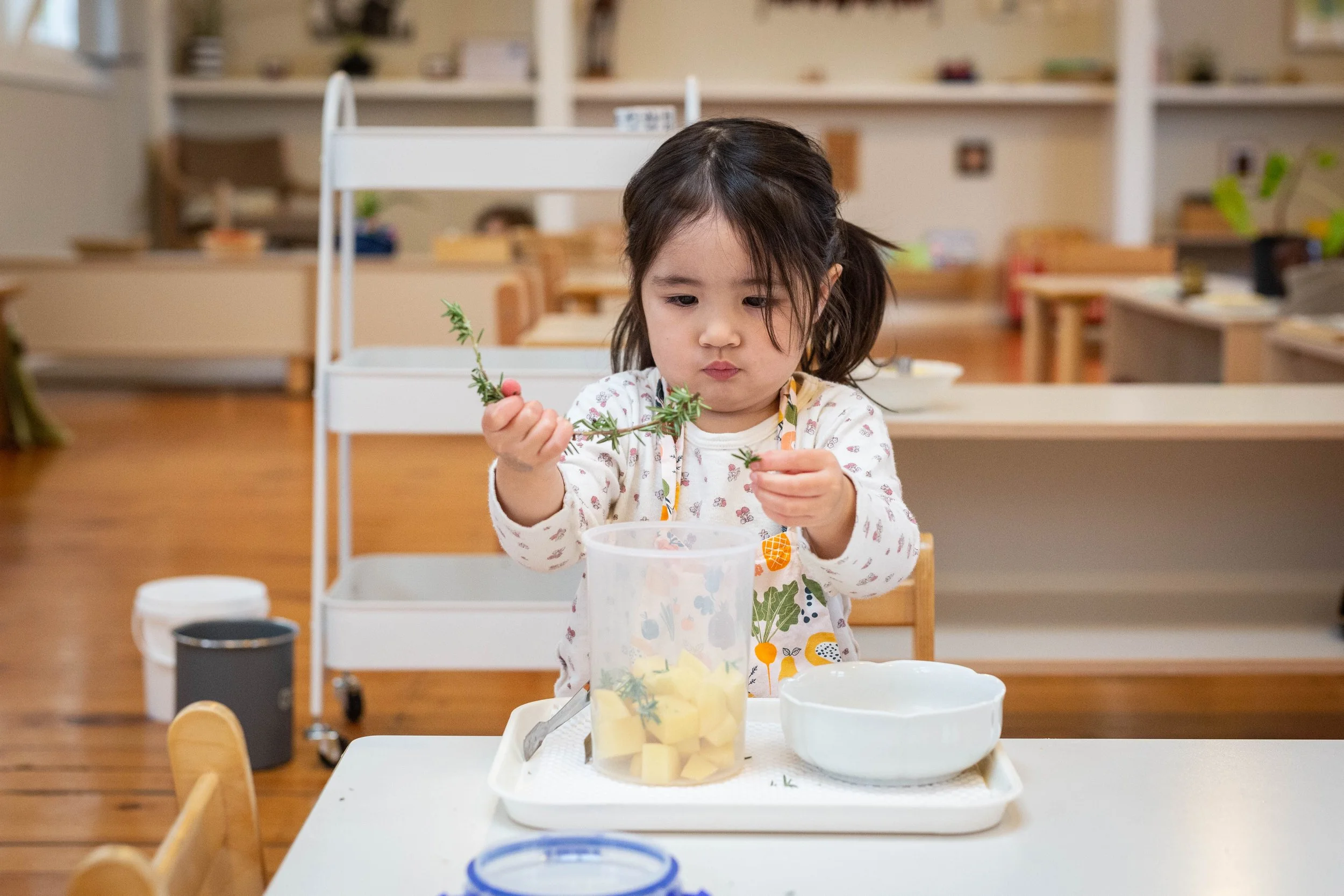
Toddler Community - Preparing roast potato and rosemary from the garden
“Independence is not a static condition; it is a continuous conquest,” Maria Montessori — a reminder that every small step your child takes truly matters.
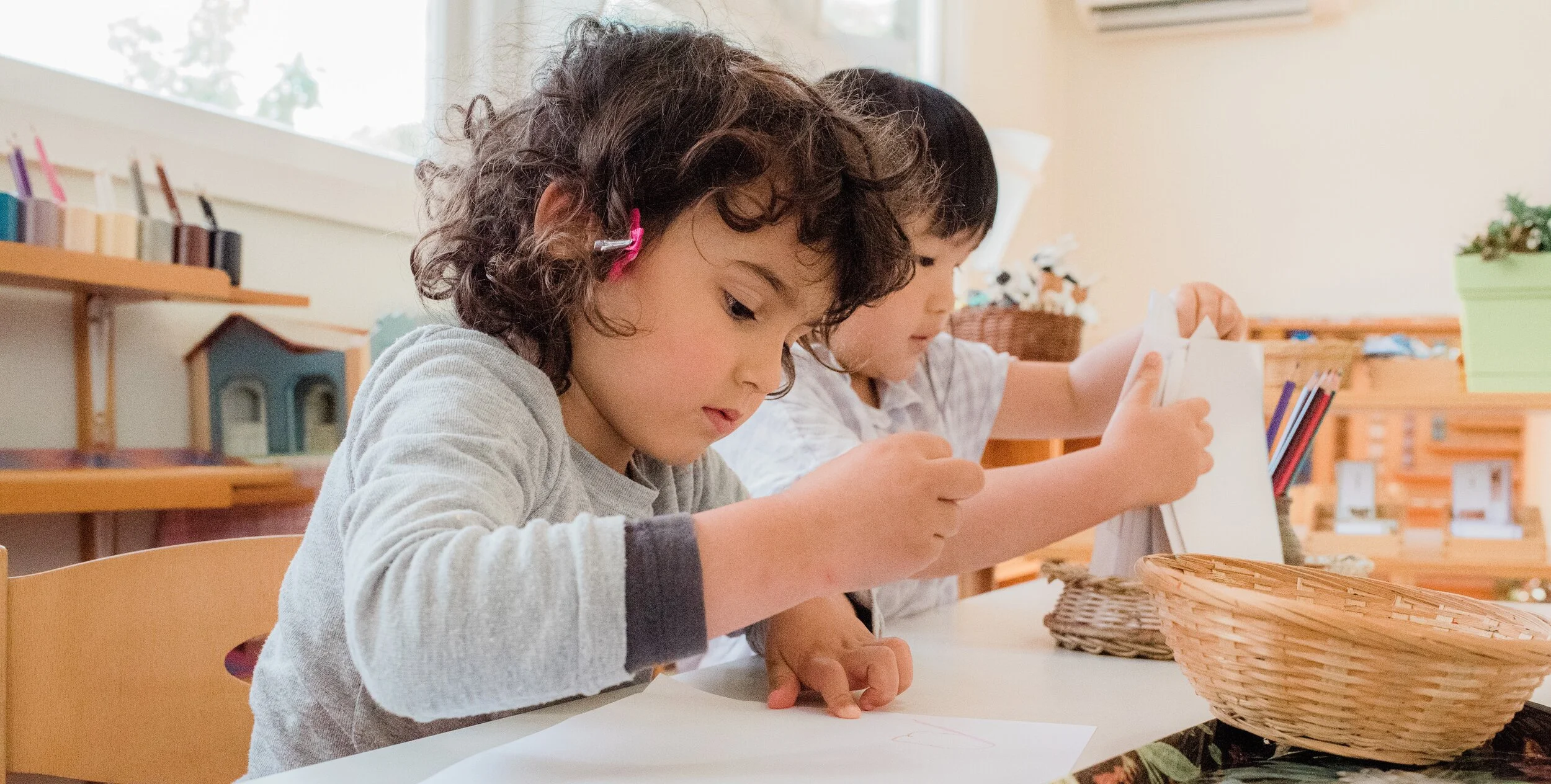
Our Montessori Toddler Programme is active, child-led, and thoughtfully designed to support learning through all five senses. Children are introduced to Practical Life, Sensorial, Language, Movement, and Culture. Through repetition, exploration, and hands-on experiences, they develop confidence, independence, and growing competence.
Between the ages of two and three, children move through important sensitive periods for language, order, movement, small objects, toilet learning, music, grace and courtesy, and sensory development. Our prepared environment and carefully designed Montessori materials respond to these stages, offering meaningful opportunities that nurture the whole child.
The daily rhythm of the classroom reflects toddlers’ natural drive to learn through movement, choice, and purposeful activity, while honouring each child’s individual interests, strengths, and pace of development. As children complete the Toddler Programme, they transition seamlessly into the Montessori Preschool Programme, where they continue to deepen their understanding and prepare for their journey to school.
“Toddlers are not logical, but they are magical,” — Judy Orion, Director of Pedagogy AMI Montessori
We are now accepting applications for our brand-new Montessori 2–3 classroom
Preschool (3-6)
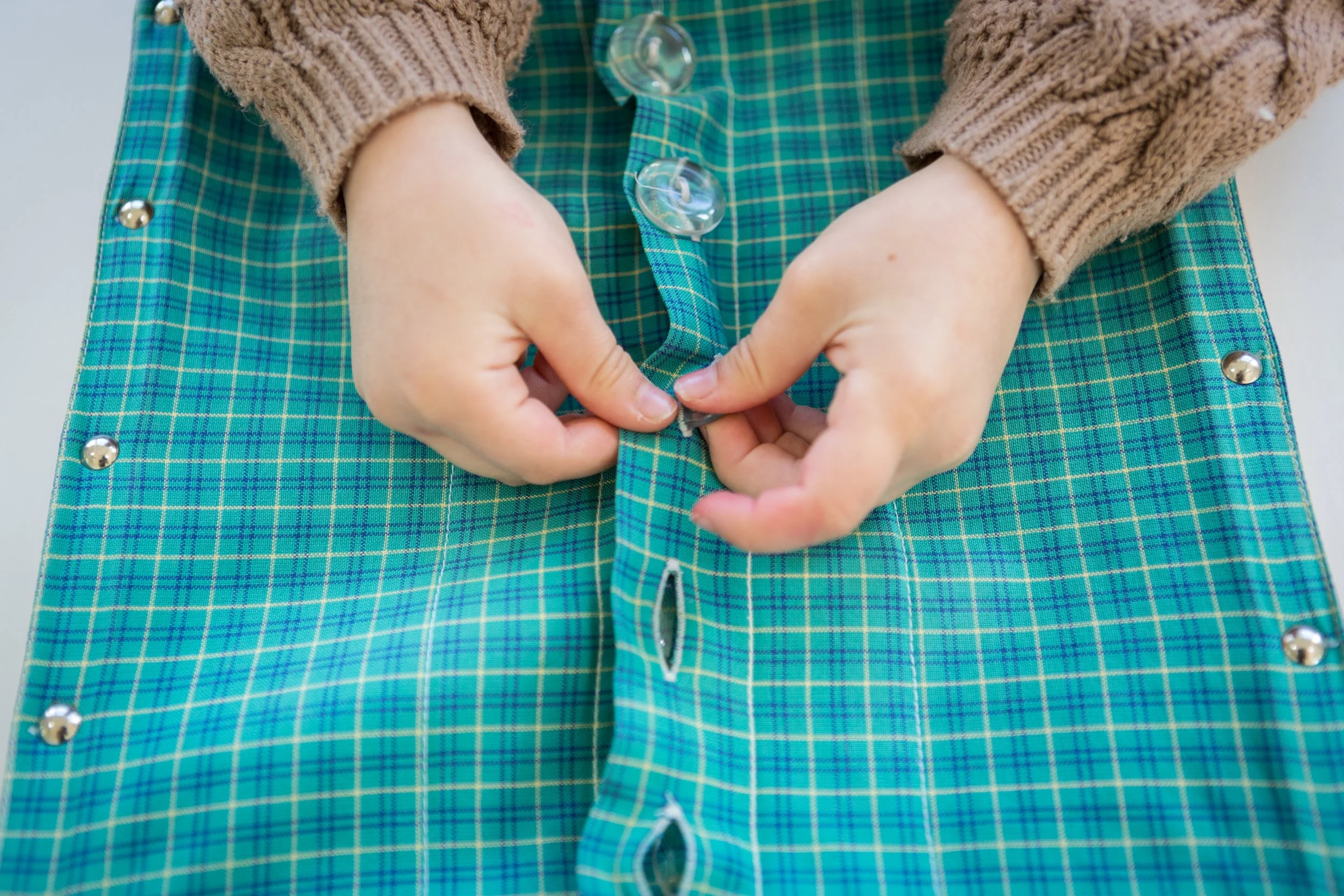
The first two years of our preschool programme prepare your child for meaningful, holistic exploration of key learning areas - practical life, sensorial, language, music, mathematics, science and cultural topics. The final year, from five to six years old, is the culmination of these two years - where the concepts and skills they have learned truly blossom and a 'love of learning' becomes a strong and enduring part of who they are.
The Montessori Classroom
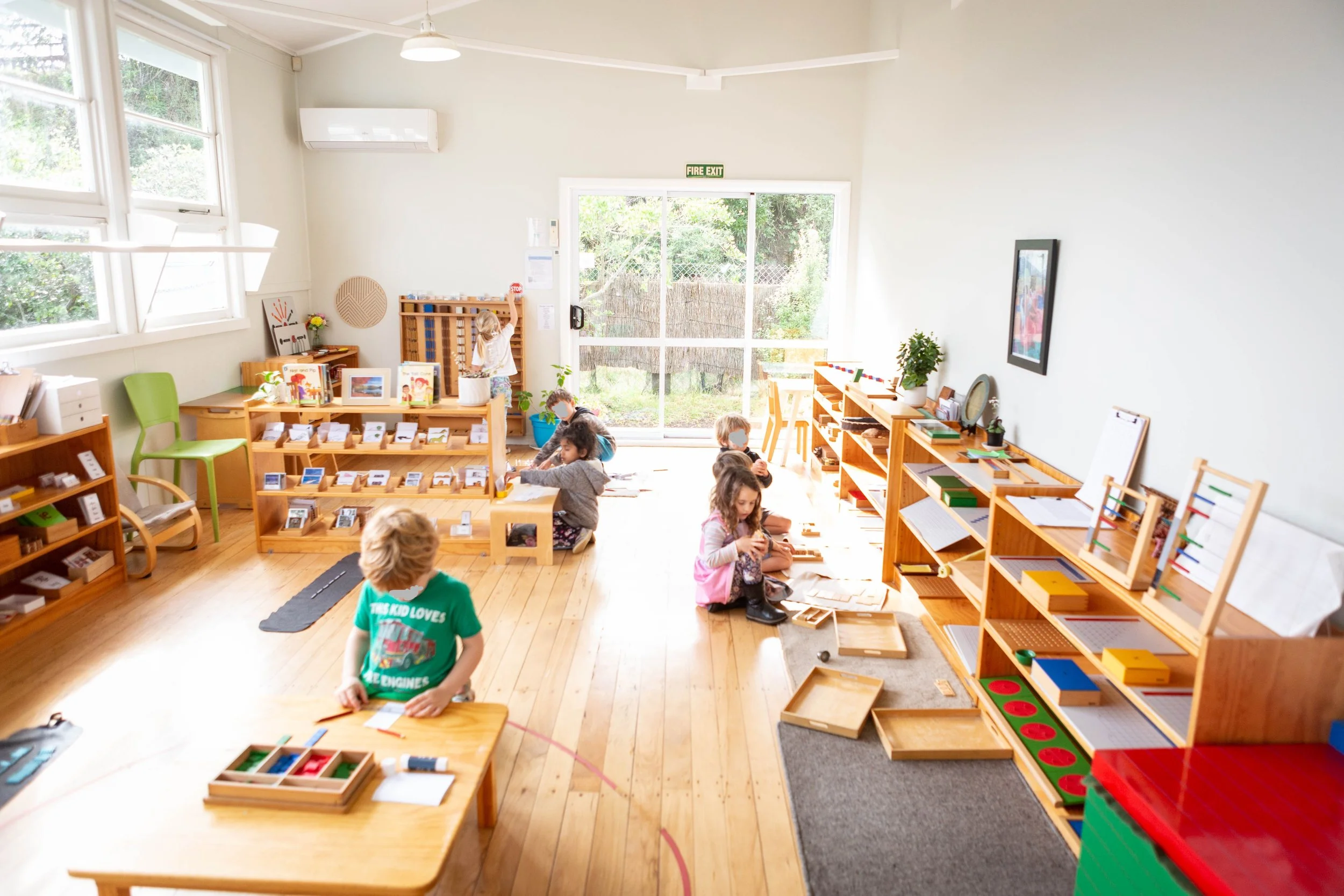
The Montessori classroom is the ideal environment for young enquiring minds to develop their problem solving abilities, visualise abstract ideas and have lots of fun all at the same time. Children love using the interactive Montessori materials to explore interesting and important concepts. Our classrooms are warm, inviting, peaceful places carefully prepared to stimulate and inspire our children and support their natural development.
The outdoor environment is a vital part of every child's learning. Our outdoor classrooms feature native and flowering plants, alongside a central vegetable garden. Children have the privilege of exploring outdoor spaces throughout the changing seasons, fostering a deeper bond with the natural world.
We have three classrooms at Capital Montessori School. Rata, our new toddler community for 2-3 year olds, recently opened in May this year. Our two preschool classrooms, Koru and Kowhai, are designed for children aged from 3 - 6 years. Enrolment in Rata may either be for morning sessions (8.30am -11.30am), or full day sessions (8.30am - 3pm), or a combination of both, for three to five days a week. Note, there is a minimum enrolment of three days in this class.
In our preschool classrooms, Koru and Kowhai (3-6 years), the school day is from 8.30am to 1pm or 3pm Monday to Friday, with the option of staying later in our extended day progamme, which runs until 5pm. We follow the primary school terms with four terms each year and an extended break in Summer. We offer a school holiday programme during the short term breaks and for the last three weeks of the summer break for children enrolled in these classrooms only. The extended day programme which runs until 5pm is available for the full school year, including the holiday programme. *Please note that we do not offer the holiday programme or the extended day hours for the Rata community (2-3yrs).
Interested in seeing our preschool in action? Email us to arrange a time to visit.
“Play is the work of the child”